 (Image source: Gemini)
 Have you ever sat right next to someone on a couch, your shoulders touching, but felt like they were on another planet? It is a strange, hollow sensation. We are living in an era where we can see what a stranger in Tokyo had for breakfast, yet we might not know the name of the person living behind the apartment wall next to us. This is the big paradox of 2026. We are hyperconnected but often feel completely isolated.
Poetry is the perfect way to talk about this mess. Although a novel might take 400 pages to explain a breakup, a poem can do it in four lines by describing the way the light hits a half-empty glass. It captures the nuance of human connection in a way that feels like a secret whispered in your ear. It is high-quality literary entertainment because it asks you to slow down.
Bridging the Gap Where Intimacy Meets Language
How do you describe a gap that you cannot see? Poets do this by using silence. If you look at a contemporary poetry book, you will notice a lot of white space. That empty paper is not just a design choice. It is a representation of the distance between two people or the silence after an argument.
Vulnerability is what builds the bridge across that white space. When a poet shares something embarrassing or painful, it creates a shared space between you and them. You are not just reading words. You are participating in a moment of trust. This is the reach that great poetry performs. It stretches across the physical divide of the book to find a home in your own experience.
We see this masterfully done in collections that tackle the digital divide. Like, some poets are using the very tools that isolate us to bring us closer. They are turning emails, texts, and social media glitches into art. They are finding ways to make the digital feel human again. It is about finding the heartbeat inside the machine.
The Digital Age and the Architecture of Longing
The literary trends of the last two years have been obsessed with the irony of our networked lives. We have all been there, scrolling through a feed while someone we love is in the other room. Chris Campanioni captured this perfectly in his 2024 collection, Windows 85. He calls it a cyberspace opera and looks at what happens to our bodies when they are dispersed across screens.
Critics love how he uses the feeling of being with someone digitally while remaining physically alone. It is a specific kind of loneliness that did not exist thirty years ago. Then you have Stephon Lawrence, whose 2024 book You Know How Much I Hate Being Alone in social situations looks at the theater of our online personas. It is about that weird transition from being a real person to being a persona on a screen.
Poetry as an Intimate Act of Consumption
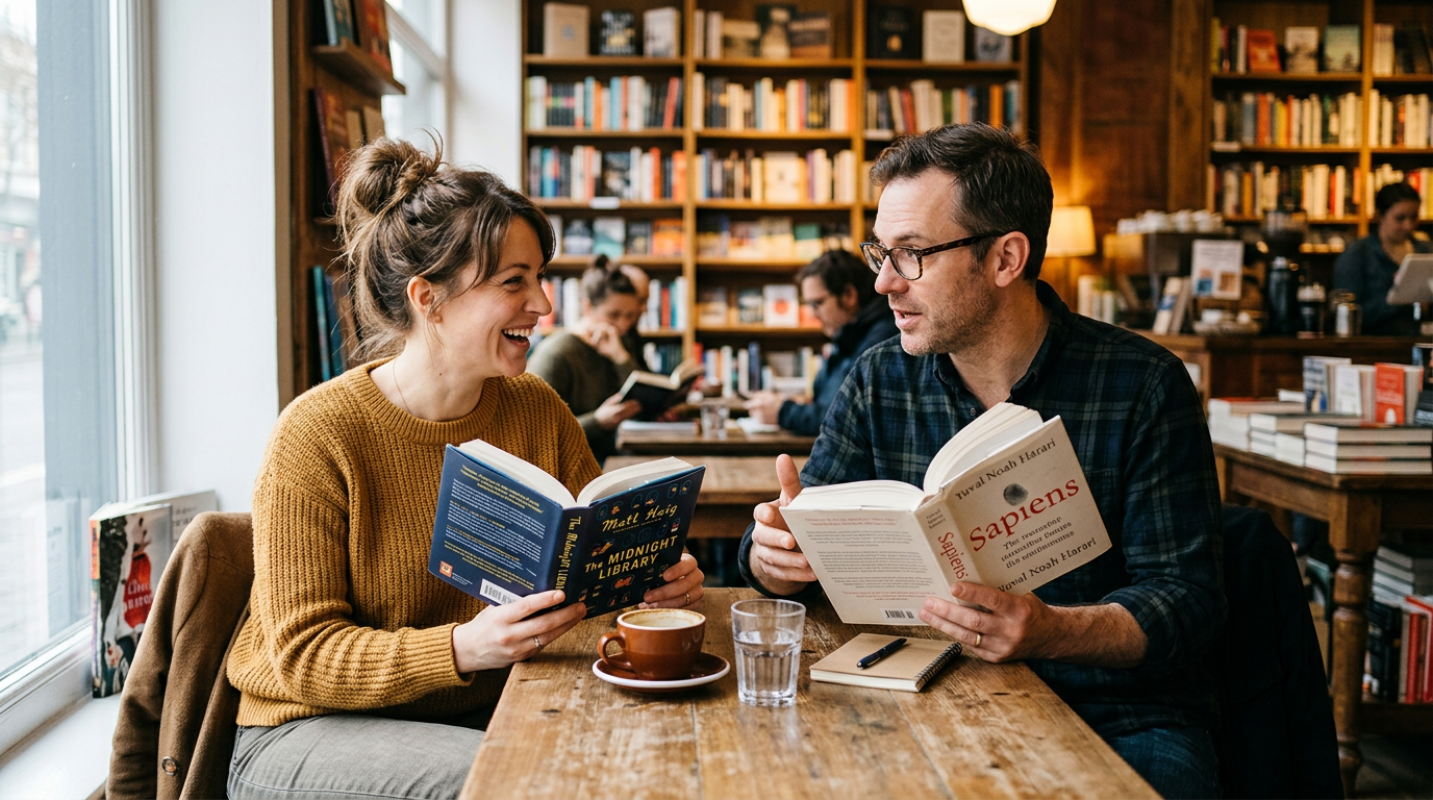
Reading a poetry collection is not like watching a movie, where you can just sit back and let it happen to you. It is a form of intellectual entertainment that demands you show up. You have to bring your own memories and your own baggage to the page. That is why it feels so personal. It is an intimate act of consumption.
There is a big difference between hearing a poem at a loud performance and reading it alone in your room at 2:00 AM. In solitude, the poem becomes a mirror. You might find a version of yourself in a line about grief or a stanza about a first date. This is why poetry is still growing. The National Endowment for the Arts noted that poetry readership has hit about 29 million adults, with huge growth in people under 30 who find these poems on digital platforms.
The Best Voices for Your Shelf
If you are looking to start your own exploration of these themes, the 2024 and 2025 releases offer some incredible starting points. You want voices that feel honest and maybe a little bit dangerous. You want poems that act as a map for your own relational complexities.
- I Do Know Some Things by Richard Siken (2025): This collection is a heavy hitter. Siken wrote these prose poems while recovering from a stroke. It looks at the distance between the self and a body that is failing. It is an encyclopedia of the self that manages to be both incredibly close and strangely detached.
- Scorched Earth by Tiana Clark (2025): If you have ever been through a major life change, this is for you. It looks at the ruins of a divorce and the process of becoming yourself again. Clark writes about the smoldering honesty required to move on and the weirdness of social distancing during a first date.
- Resting Bitch Face by Taylor Byas (2025): This one is about the gaze. It explores how Black feminine bodies are watched and misperceived by the world. It is a powerful look at the violence of being remade by someone else's eyes and the distance that creates between how you are seen and who you are.
- Solutions for the Problem of Bodies in Space by Catherine Barnett (2024): This collection includes a series of studies on loneliness. It is remarkably perceptive and finds the value in solitude while still acknowledging the existential ache of wanting to belong.