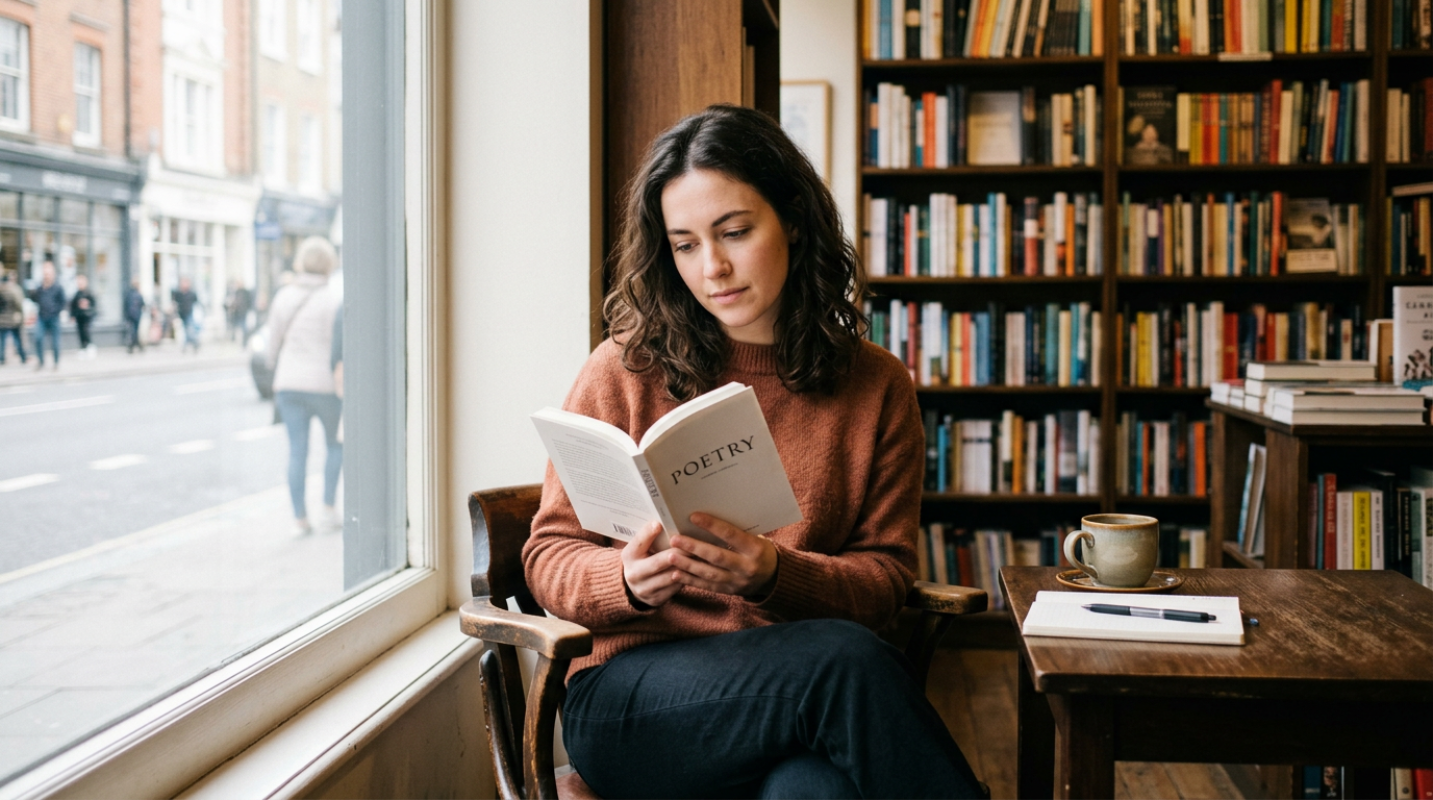
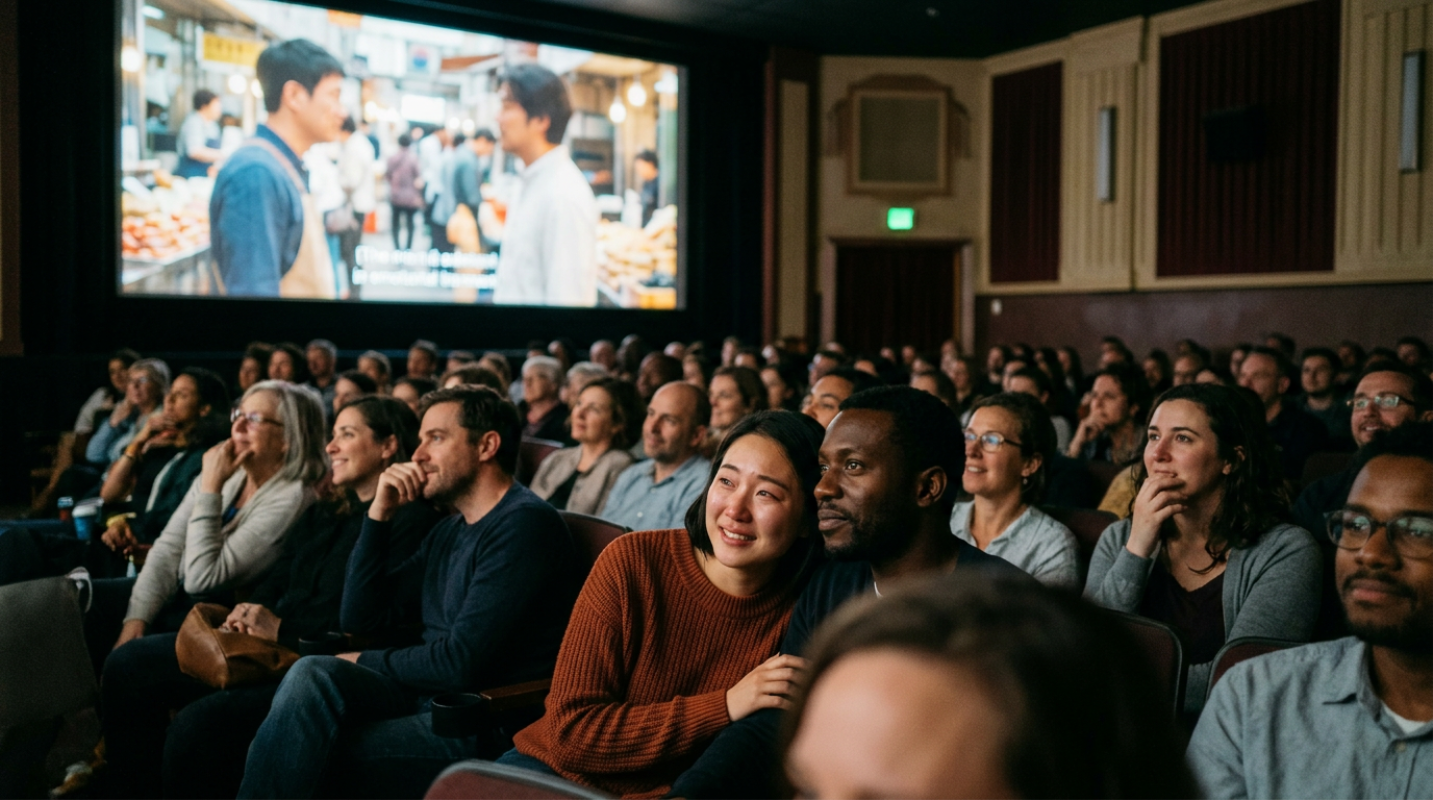
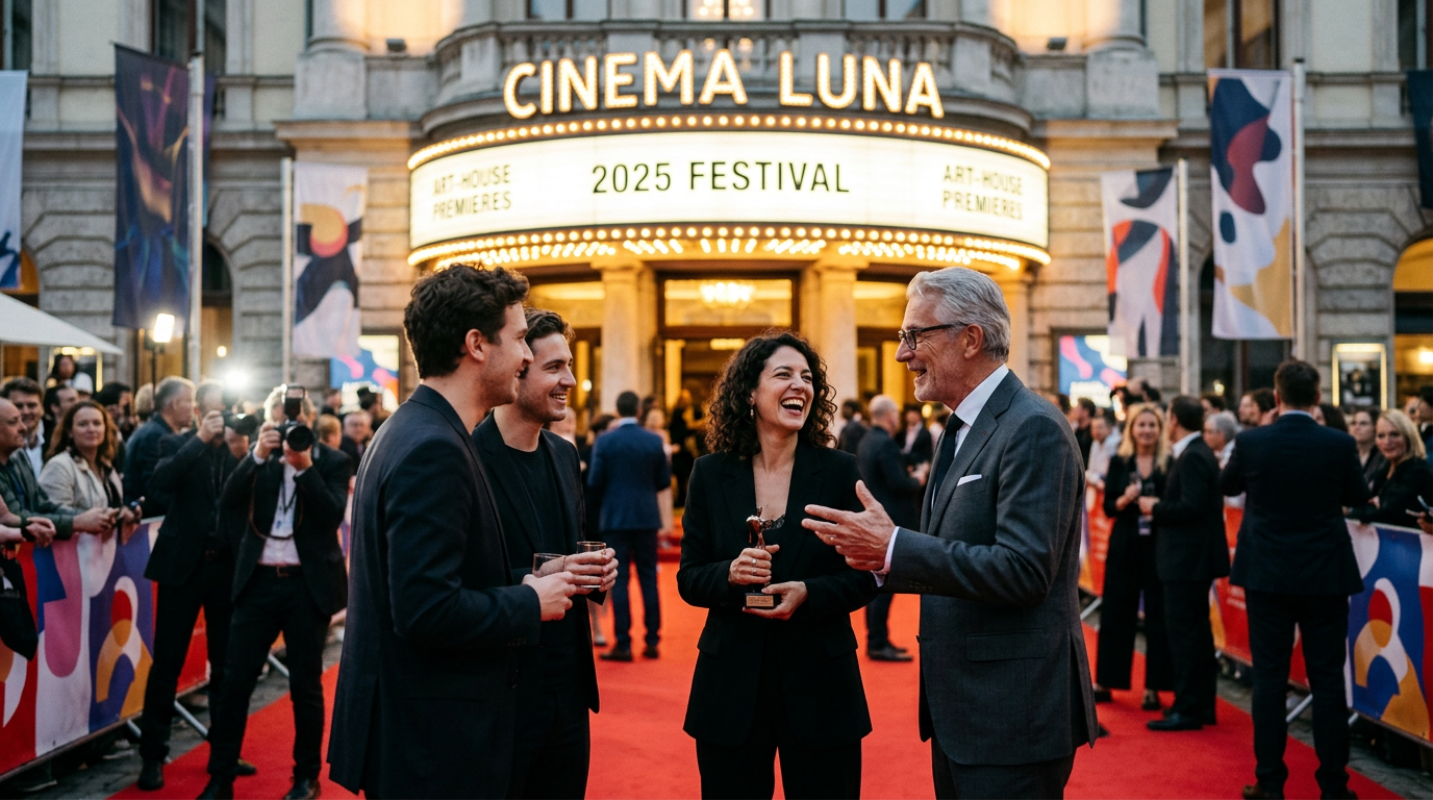
 (Image source: Gemini)
 You've probably noticed that your streaming queue has felt a little stale lately. Although the massive studios spent most of last year trying to figure out which 1980s cartoon to reboot next, something much more interesting was happening in the shadows. Looking back from early 2026, it's clear that 2025 was the year independent cinema finally got its groove back.
Global festivals like Sundance, Berlin, and Cannes didn't show movies. They acted as the heartbeat for high-quality entertainment when the blockbuster machine felt like it was running on fumes. So what does this actually mean for you? It means that the best stories of the last year didn't come from a boardroom. They came from directors who were willing to get weird, get personal, and get loud.
The 2025 circuit proved that arthouse isn't a niche for people who like to argue about cinematography over expensive coffee. It's where the most daring ideas live. Whether it's a surrealist military drama or a movie shot entirely on a smartphone, these films are the ones people are still talking about at dinner parties months after their release.
Genre-Bending Narratives and Experimental Storytelling
Have you ever walked out of a movie theater feeling like your brain had been rearranged? That was the vibe at Sundance 2025. We saw a massive shift toward surrealism and stories that don't follow a straight line. Think of it like a digital detox for your attention span. Instead of being fed a predictable plot, you're invited to actually participate in the mystery.
One of the biggest standouts was Atropia, directed by Hailey Gates, which took home the U.S. Dramatic Grand Jury Prize. It's a surrealist trip through a military training facility that feels like a metaphor for everything fake about modern life. Then you have the Zodiac Killer Project, which walked away with the NEXT Innovator Award. It's a meta-documentary that starts as a true-crime investigation and then suddenly turns into a hilarious commentary on why we're so obsessed with true crime in the first place.
Audiences are clearly hungry for this kind of challenge. We're seeing a move away from the "easy watch" and toward films that demand your full attention. It's not about being different for the sake of it. It's about using film to express things that a standard three-act structure can't handle.
Global Voices and International Perspectives
If you're still one of those people who avoid movies with subtitles, you're missing out on the best parts of the 2025 season. The idea that "foreign" films are a chore is officially dead. At the 78th Cannes Film Festival, the jury, led by Juliette Binoche, made a huge statement by awarding the Palme d’Or to Jafar Panahi for Un Simple Accident (It Was Just an Accident).
Panahi has been making films under incredibly difficult conditions in Iran for years, and this minimalist thriller about confronting oppression is some of his most powerful work. At the Berlinale, we saw Dreams (Sex Love) take the Golden Bear. It's a Norwegian comedy-drama about a teenager’s crush that feels so real it’s almost uncomfortable.
We're seeing a rise in regional cinema from markets that used to be ignored by the West. Directors from Southeast Asia and the Middle East are bringing "lived experience" narratives to the forefront. These aren't "important" movies. They're entertaining, heartbreaking, and visually stunning films that prove great storytelling doesn't need a translator.
The Intersection of Technology and Artistic Vision
There's a fascinating tug-of-war happening in the indie world right now. On one hand, you have directors like Radu Jude, who won Best Screenplay at Berlin for Kontinental ’25 after shooting the entire thing on an iPhone 15.³ It's the ultimate proof that you don't need a fleet of trucks and a $50 million budget to make a masterpiece. You need a vision and the device in your pocket.
On the other hand, we're seeing an "Analog Resistance." Many arthouse directors are now using a "No Generative AI" label as a badge of honor. They're going back to 16mm and 35mm film in record numbers because they want that tactile, grainy look that digital tools can't quite replicate. It's the digital equivalent of choosing a vinyl record over a compressed MP3.
Technology in 2025 has become a tool rather than a replacement for human artistry. Even when indies use high-tech stuff like Unreal Engine for virtual production, they're doing it to build expansive worlds on micro-budgets. It’s about making the screen feel bigger without losing the soul of the story.
Why Art-House Matters in Today’s Entertainment Space
You might wonder why a film winning a prize in France or Germany matters to your Friday night plans. The truth is that the festival circuit is where the cultural conversation starts. These films tackle the political and social issues that big studios are often too scared to touch. Supporting independent creators is the only way to keep the film industry healthy and diverse.
The way we watch these movies is changing, too. The old 90-day wait to see a festival hit at home has mostly collapsed. Most of the 2025 hits moved to streaming or digital rental within 30 to 45 days. But don't count out the theater yet. Art-house cinemas are turning screenings into "events" with Q&As and limited-edition merch, and it's working. Gen Z is actually the group driving the return to communal theater-going.
Top Recommendations
If you want to stay ahead of the curve, keep an eye out for these titles as they hit streaming platforms or local theaters this year.
- Atropia: A surreal military drama that won big at Sundance. It's weird, visually arresting, and unlike anything else you'll see this year.
- Un Simple Accident: The Cannes Palme d’Or winner. A tense, minimalist thriller that shows why Jafar Panahi is a master of the craft.
- Dreams (Sex Love): A Norwegian comedy-drama that manages to be both intellectually rigorous and genuinely charming.
- Kontinental ’25: Watch this to see what a brilliant director can do with nothing but an iPhone and a great script.
Human Stories in a Digital World
The 2025 festival season was a reminder that no matter how much technology changes, we're still suckers for a good human story. From the "back-to-basics" human dramas at Sundance to the political reckonings at Cannes, the year was defined by emotional honesty. We're seeing a world where the "center of cultural relevance" has shifted away from the multiplex and toward the independent spirit.
So, the next time you're scrolling through a sea of sequels and spin-offs, take a chance on that weird-looking indie film with the subtitles or the grainy cinematography. You might find your new favorite movie, and more importantly, you'll be supporting the creators who are keeping the art of film alive. The future of cinema isn't in a computer program. It's in the hands of the people who still believe that a single, well-told story can change the way you see the world.